How Deep Should Built-In Mudroom Lockers Be for Backpacks and Coats?
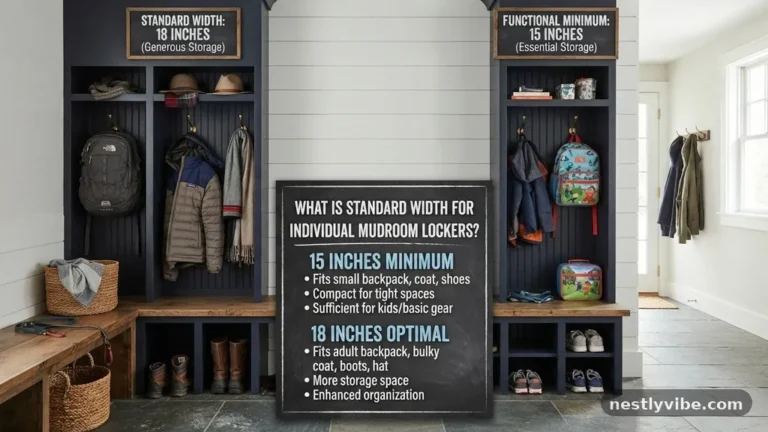
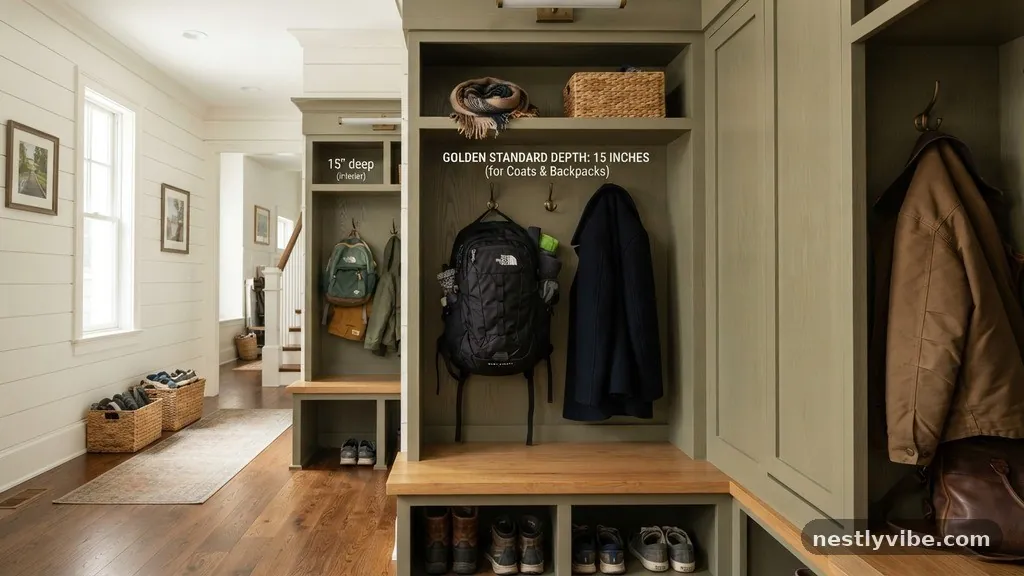
Determining how deep should built-in mudroom lockers be for backpacks and coats is a critical design decision that impacts the functionality of your entryway. If the space is too shallow, bulky winter gear will hang out into your walkway, creating a cluttered and cramped atmosphere. Conversely, excessive depth wastes valuable floor space that could be used for other household needs.
To ensure your custom storage solution works for your family, aim for a standard internal depth of 22 to 24 inches for hanging coats. This measurement allows for the bulk of winter jackets and ensures that backpack straps don’t get crushed against the back wall when the doors are closed.
The Golden Standard for Depth
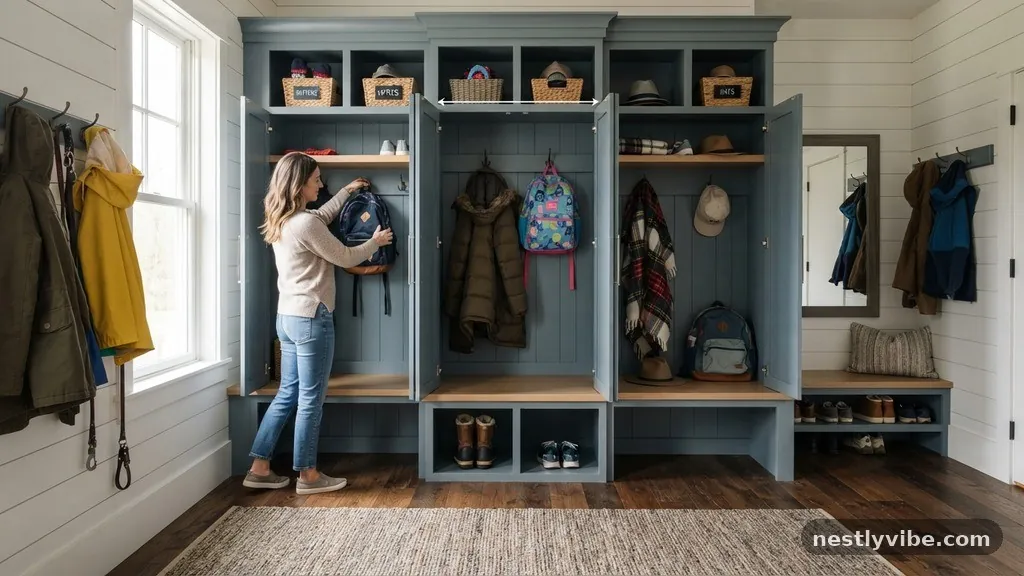
The most effective depth for a functional mudroom locker is 24 inches. This measurement aligns with standard kitchen cabinet depths, making it easier to source materials and integrate pre-built components.
When you provide 24 inches of depth, you account for the width of a standard adult coat hanger plus the extra space needed for thick puffer jackets or wool coats. If you choose to install doors on your lockers, this depth is non-negotiable to prevent the fabric of your coats from getting caught in the hinges or door panels.
If your floor space is severely restricted, you might be tempted to shrink this dimension to save a few inches. However, going below 20 inches usually results in coats hanging at an angle, which causes them to wrinkle and look messy.
Backpacks, in particular, require more room than people anticipate because of their rigid frames and protruding pockets. By sticking to the 22 to 24-inch range, you ensure that even the largest school bags can be tucked away without forcing the cabinet doors shut.
Considering the Human Factor
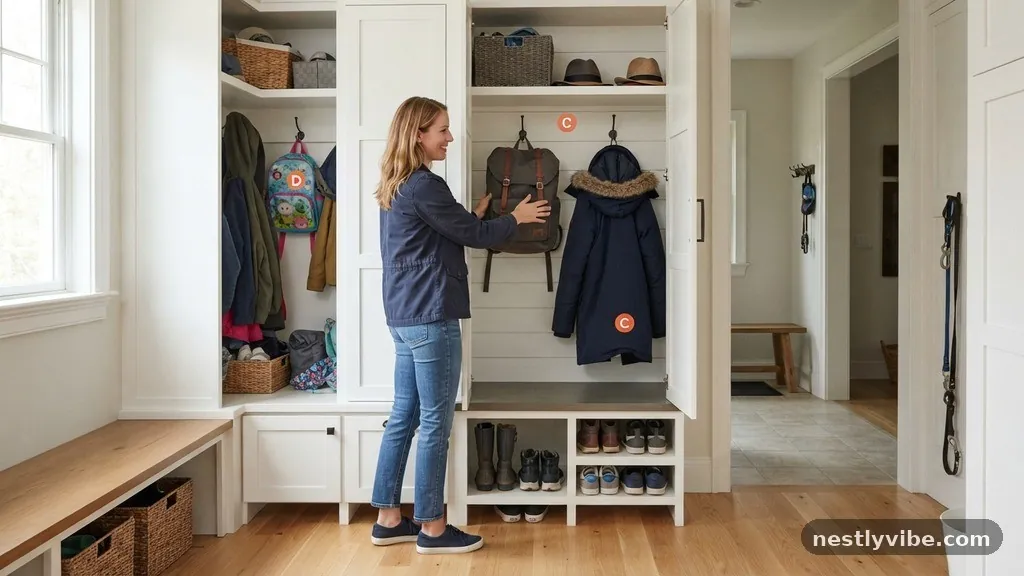
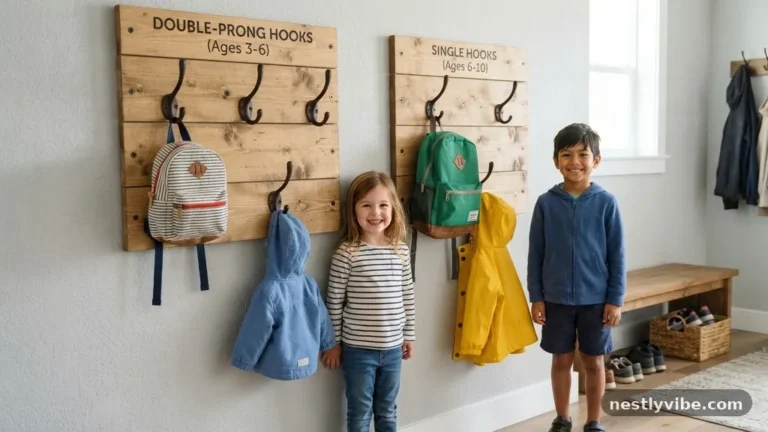
When planning your storage, think about the users who will be accessing these lockers daily. A child’s backpack is often smaller, but kids are less likely to hang their items neatly on a hook.
They tend to shove their bags into the cubby, which requires a bit more clearance to prevent damage to the wall or the locker interior. If you are designing for a growing family, building to an adult-sized standard is a smart way to future-proof your home.
You should also account for the reach of the people using the space. While a deep locker is great for storage, it can become a “black hole” where items are forgotten at the back.
Consider placing frequently used items like umbrellas or seasonal hats near the front of the shelf. If you have a deep unit, you can install pull-out drawers at the bottom to make accessing shoes or sports gear much easier without needing to crawl into the locker.
The Impact of Doors and Hardware
Deciding whether to include doors changes your depth requirements significantly. Open-concept mudrooms are popular because they encourage family members to drop their gear quickly and keep moving.
In an open setup, you can often get away with 18 to 20 inches of depth because the coats can extend slightly past the edge of the unit. This can be a life-saver in narrow hallways where every inch of floor space matters.
If you opt for full-height doors, you must factor in the thickness of the door itself. A standard cabinet door is usually 3/4 of an inch thick. If you use inset doors, which sit flush with the frame, you lose that space inside the box.
Always measure from the back panel to the inside face of the door to ensure your coats hang freely. Consult the International Association of Certified Home Inspectors for guidance on building codes if you are modifying structural walls during this renovation.
Designing for Backpacks and School Gear
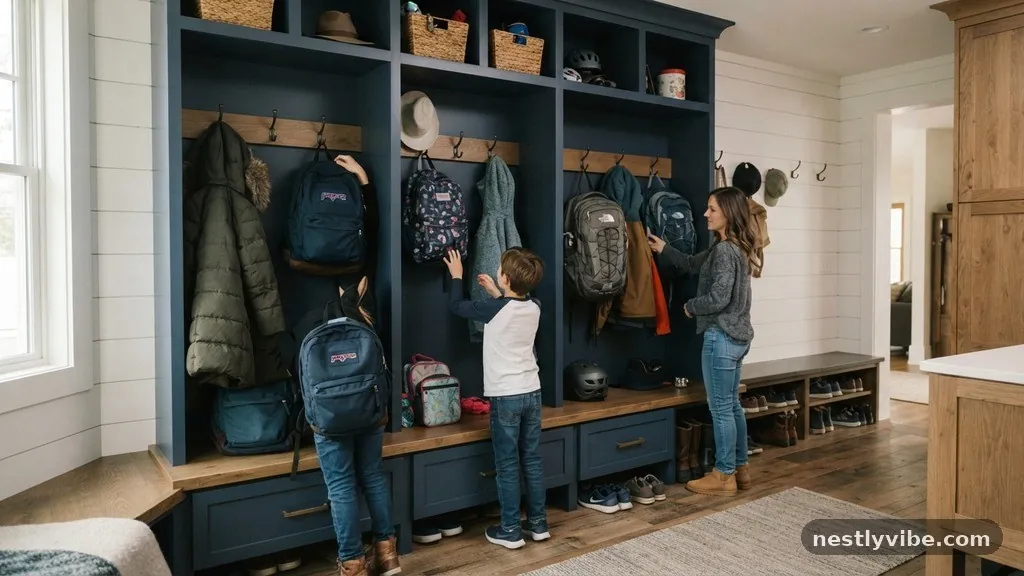
Backpacks are the primary reason many people find their standard coat closets insufficient. Unlike a coat, which is relatively flat, a backpack has depth and rigid components that demand specific storage geometry.
If you want to keep your entryway clean, your locker design should include a dedicated zone for these bags. A hook is the most common solution, but a shelf is often better for the longevity of the bag straps.
If you decide to use shelves, ensure they are at least 15 inches deep to accommodate standard school-sized backpacks. You don’t want the bags to overhang the edge, as this makes the mudroom look cluttered even when the space is organized.
Some homeowners prefer to place backpacks on the bench seat, but this often leads to items being left on the floor. Dedicated cubbies above or below the bench are the best way to maintain a clean aesthetic.
Bench Integration and Floor Space
Most built-in mudroom lockers include a bench for sitting while putting on shoes. The depth of this bench should match the depth of the lockers above it to create a seamless, professional look.
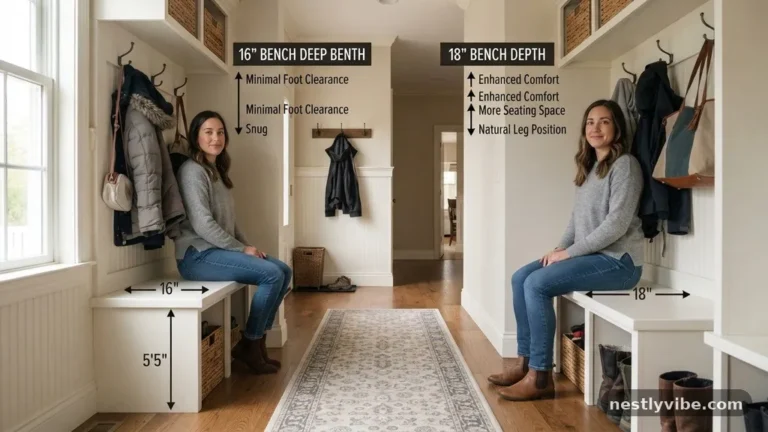
A 24-inch deep bench is quite generous and allows for a comfortable seat, but it can make the room feel smaller. If you are tight on space, a 16 to 18-inch deep bench is perfectly sufficient for sitting and allows for a smaller footprint.
If your lockers are 24 inches deep, your bench will be equally deep. This provides a massive amount of storage underneath for shoe bins or baskets.
You can easily fit two rows of shoes in a 24-inch deep space, which is a significant advantage for large families. Just remember that the deeper the bench, the harder it is to reach the items pushed against the back wall.
Comparing Depth Options
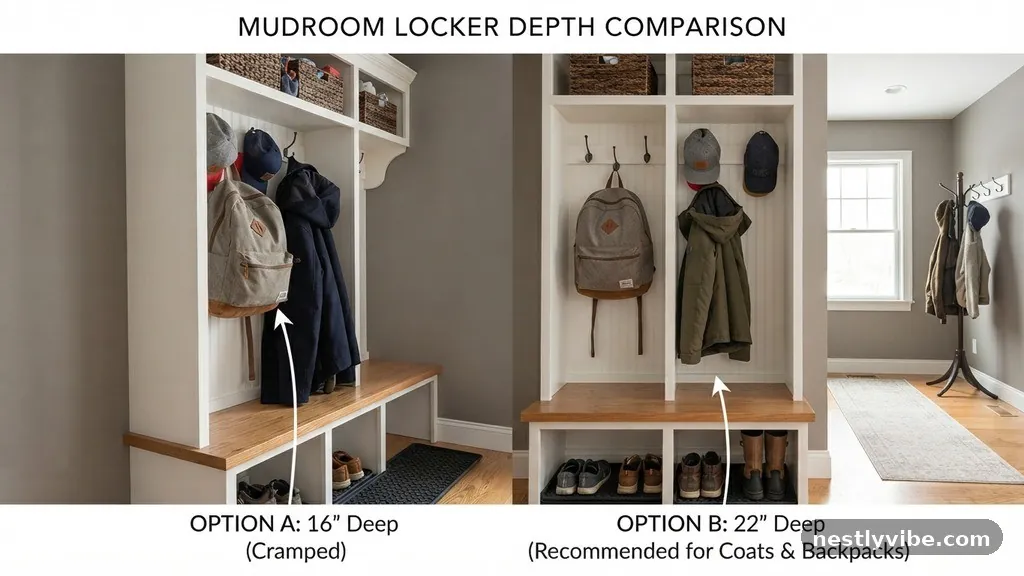
The following table provides a quick reference for how different depths affect the utility of your mudroom furniture. Use these figures to balance your storage needs with the physical constraints of your home.
| Depth | Best Use Case | Storage Capacity |
|---|---|---|
| 12-14 inches | Narrow hallways, shallow closets | Minimal; coats may hang diagonally |
| 16-18 inches | Small entryways, open locker designs | Average; good for folded items and hooks |
| 20-22 inches | Standard residential mudrooms | Good; fits most coats and medium bags |
| 24+ inches | Deep closets, full-sized cabinets | Excellent; fits bulky gear and large bags |
Material Choices and Structural Integrity
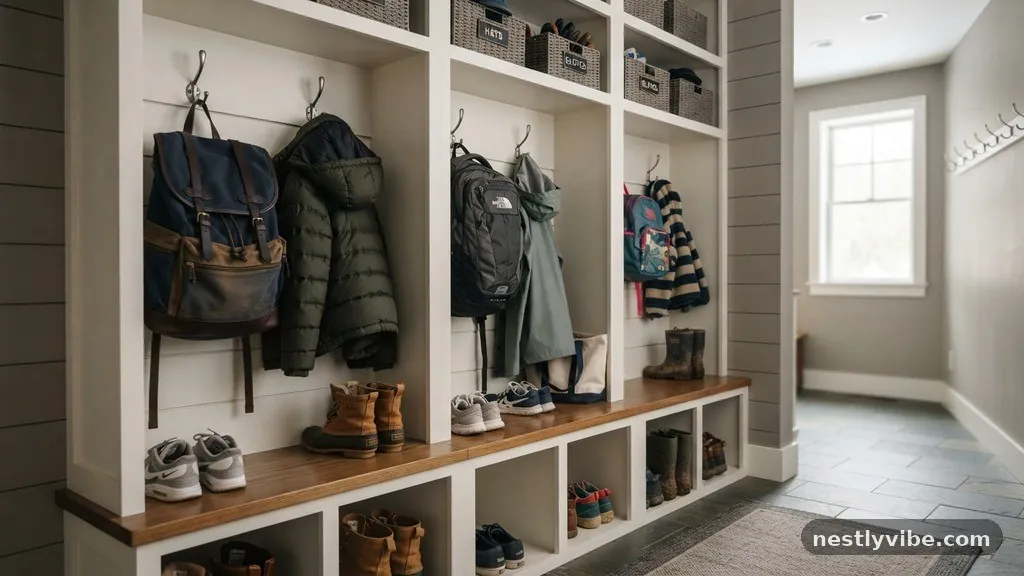
The materials you choose for your built-in units will influence how deep you can build without the boards sagging. If you are using solid wood or high-quality plywood, you can span longer distances without support.
However, if you are using particle board or thinner MDF, you need to be careful. Deep shelves that are not properly braced will bow under the weight of heavy winter coats and loaded backpacks.
When building deep lockers, ensure you have vertical supports or cleats every 24 to 30 inches. This prevents the horizontal pieces from bending over time.
If you are doing this as a DIY project, remember that the back panel is a crucial structural component. A solid back panel provides the racking strength needed to keep a deep, tall unit square and stable.
Vertical Space as a Variable
While we are focusing on depth, remember that vertical space is just as important for backpacks. If you have a deep locker, you can utilize the vertical height to create separate zones.
A high shelf for seasonal items, a middle zone for coats, and a lower zone for backpacks creates a highly organized system. By maximizing the height, you reduce the need for excessive depth.
Always place the most frequently used items at eye level or within the “reach zone” of the primary users. Children should have their hooks and cubbies at a height they can manage independently.
This encourages them to put their gear away, which is the ultimate goal of any mudroom design. If the space is too high or too deep, the locker will quickly become a dumping ground rather than a storage solution.
Lighting and Accessibility
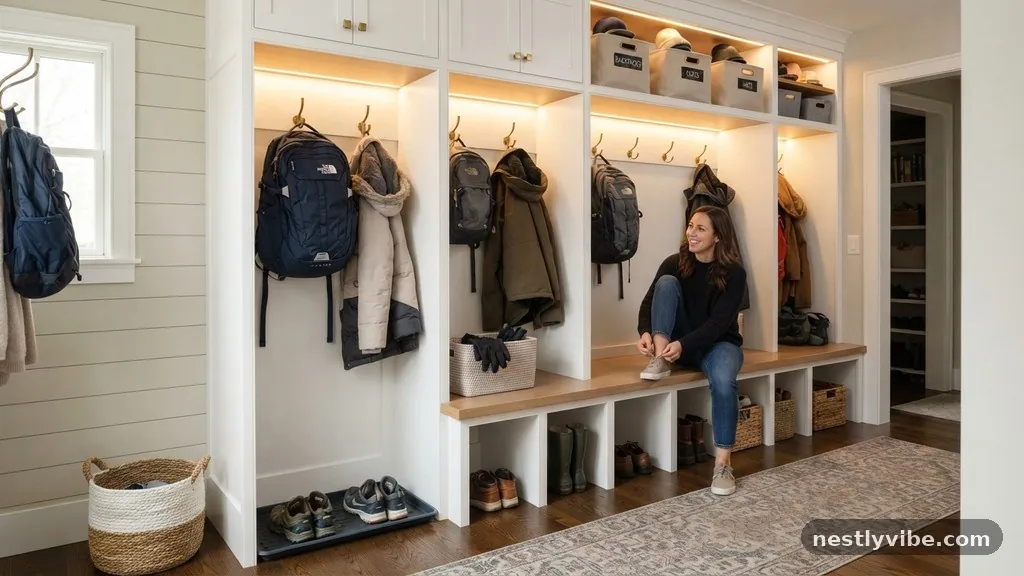
Deep lockers can be dark, making it difficult to find small items like gloves or keys. Consider adding integrated LED lighting strips along the top or sides of the unit.
This small addition makes a huge difference in the usability of a 24-inch deep cabinet. You can find battery-operated motion sensors that are easy to install and don’t require professional wiring.
Another tip for deep storage is to use light-colored paint or finishes inside the lockers. Dark wood or grey interiors can swallow light, making the back of the locker look like a shadow.
A crisp white or light oak finish reflects light and makes it easier to see the contents. This simple design choice helps you keep track of items that might otherwise get lost in the depths of the unit.
Common Mistakes to Avoid
One of the biggest errors is failing to account for baseboards and trim. When measuring your space, ensure you are measuring from the wall to the front of the trim, not just the wall itself.
If you build your lockers to exactly 24 inches but forget the baseboard, your unit might stick out further than intended. This can interfere with door swings or narrow walkways.
Another mistake is neglecting to account for the thickness of the back panel. If you are building into an existing closet, you might be tempted to use the existing wall as the back of your locker.
While this saves space, it is rarely perfectly square. Building a dedicated box with its own back panel is almost always worth the extra effort for a professional finish.
Frequently Asked Questions
How deep should a mudroom bench be for comfortable seating?
A bench depth of 16 to 18 inches is ideal for comfortable seating. If you go deeper than 20 inches, it often becomes awkward to sit down and stand up, and it can take up too much floor space in a typical hallway.
Can I make my mudroom lockers shallower if I use side-mounted hooks?
Yes, you can save depth by mounting hooks on the side walls of the cubby instead of the back wall. This allows the coats to hang sideways, which can reduce your depth requirement to about 18 inches while still keeping the gear contained.
What is the minimum depth for a locker to hold a standard adult coat?
The absolute minimum depth to hang an adult coat on a standard hanger is 20 inches. However, 22 to 24 inches is highly recommended to prevent the sleeves and fabric from rubbing against the door or back wall.
Is it better to have open cubbies or closed cabinets?
Open cubbies are better for daily convenience and help gear dry out faster, which is essential for wet winter clothing. Closed cabinets provide a cleaner, more organized look but require more depth and can trap moisture if not properly ventilated.
How do I handle uneven walls in an old home?
Use “filler strips” or “scribe molding” to bridge the gap between your custom cabinets and the wall. This allows you to build a square, level unit even if your home’s walls are slightly out of plumb, ensuring a high-end look.
Planning your mudroom storage requires balancing the realities of your floor plan with the practical needs of your daily life. While 24 inches is the standard for a reason, you can adjust these dimensions to suit your specific space as long as you prioritize the functionality of the hooks and shelves. Whether you are building a custom unit from scratch or retrofitting an existing closet, focusing on these core dimensions will help you create a mudroom that stays organized and tidy.
Start by measuring your largest backpack and your bulkiest coat to see how they fit in your intended space. With careful planning, you can ensure your mudroom lockers serve your family well for years to come.